Zhejiang Yipu Metal Manufacturing Co., Ltd.
News

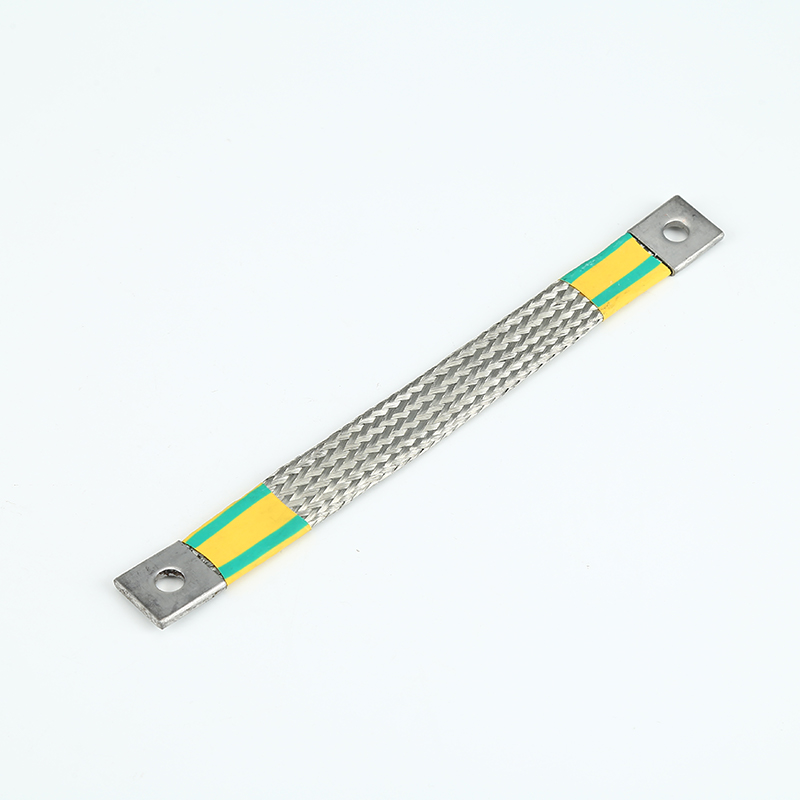
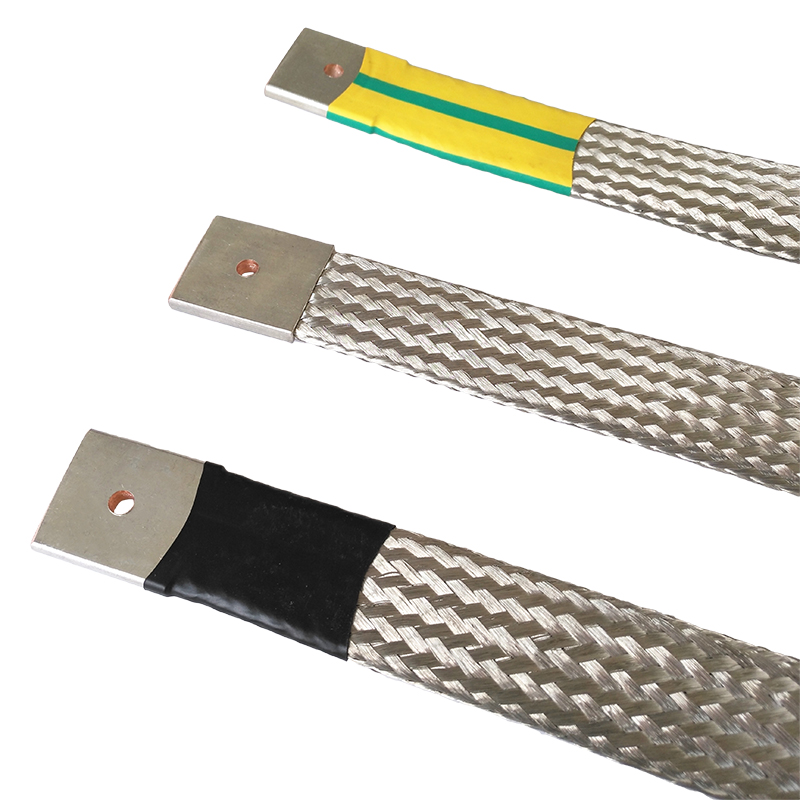
Why Tinned Copper Braided Wire Is Used for Grounding Conductors

2026-06-13 0 Leave me a message

1. Advantages of the braided structure (fundamental features of bare copper braids)

1. Excellent flexibility, vibration resistance and bending fatigue resistance

Solid rigid copper bars or single copper wires tend to suffer fatigue fracture under repeated bending, equipment vibration and thermal expansion & contraction. The tinned copper braided wire woven from dozens of fine copper wires can be bent and twisted freely. 

2. Strong current-carrying capacity and high instantaneous short-circuit discharge performance

Braided copper strips have a large specific surface area for fast heat dissipation. In cases of lightning surges or leakage faults, huge instantaneous fault currents can be dissipated rapidly without instant thermal fusing, ensuring reliable diversion of fault currents to the earth.

3. Deformation buffering to eliminate mounting stress Thermal expansion during equipment operation, frame displacement and installation errors create tensile stress. The braided strap can stretch and buffer stress, preventing stress transfer to terminal lugs which may cause loose contacts or cracked terminals.


2. Core function of tin plating

(1) Anti-oxidation & anti-corrosion for stable long-term conductivity Bare copper exposed to air, moisture, acid/alkali vapor, outdoor atmosphere or condensed water inside cabinets quickly generates copper patina (cupric oxide, basic copper carbonate). Copper patina carries extremely high resistance, which sharply raises grounding resistance and invalidates the grounding system, bringing electric shock hazards during leakage or lightning strikes. The tin coating isolates copper from air, moisture, oil stains and mild corrosive media to fundamentally block copper oxidation, greatly extending service life for indoor and humid environments.

(2) Improved crimping & soldering reliability of terminals - The soft tin layer fills tiny gaps during crimping with cable lugs, forming tight contact surfaces and ultra-low contact resistance. Bare copper is rigid; gaps easily form after crimping, leading to oxidation and heat buildup over time. - Tin has excellent solder wettability. Soldering wire ends or copper busbar lap joints achieves uniform solder coverage, firm joints and no cold solder joints.

(3) Galvanic corrosion barrier (mandatory for dissimilar metal connections) Ground connections frequently join copper braids with galvanized steel frames or aluminum cabinet shells. Copper, iron and aluminum have different electrode potentials; a galvanic cell forms under humid conditions, accelerating dissolution and corrosion of copper. The intermediate tin coating acts as a buffer layer to separate dissimilar metals and block galvanic corrosion, preventing the grounding wire from rotting and breaking.

(4) Stable conductive performance to maintain compliant grounding resistance Electrical codes require grounding resistance to stay within standard limits permanently. Bare copper will exceed resistance thresholds after several years due to oxidation, while tinned copper braids retain nearly identical conductive performance for over a decade with minimal routine maintenance and replacement.


3. Comparison with alternative conductors

1.VS bare copper braided tape 

Lower cost yet prone to oxidation. Bare braids are prohibited for permanent grounding in humid, outdoor or condensation-prone cabinet environments; they are only used for temporary short-circuit jumpers rather than permanent equipment protective grounding.

2.VS solid copper busbars 

Zero flexibility, unsuitable for vibrating machinery, detachable equipment or misaligned installation; cracks develop after several bends.

3.VS single-core insulated green-yellow grounding wire (BV wire) 

Single-core wire is rigid, while multi-core flexible wire has low current rating and poor instantaneous short-circuit withstand capability. Braided straps are wide flat conductors with superior lightning and fault current discharge capacity, standard for cabinet door cross-bonding, equipment flexible earthing and busbar soft connections.

4. Typical Application of Tinned Copper Braided Wire

1. Cross-bonding grounding for cabinet doors and frame structures of high/low voltage distribution cabinets

2. Flexible earthing for metal housings of motors, water pumps and fans

3. Expansion joint grounding jumpers for cable trays and bus ducts

4. Earthing for photovoltaic inverters and energy storage equipment

5. Earthing for explosion-proof and chemical equipment under high-corrosion humid conditions

Related News
Leave me a message
X
We use cookies to offer you a better browsing experience, analyze site traffic and personalize content. By using this site, you agree to our use of cookies.Privacy Policy
RejectAccept