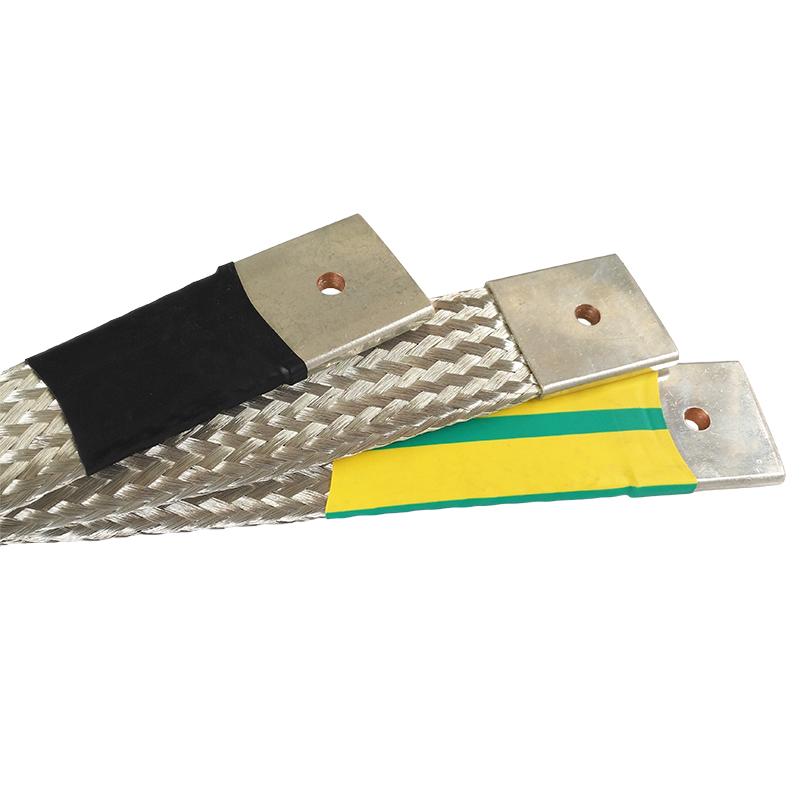
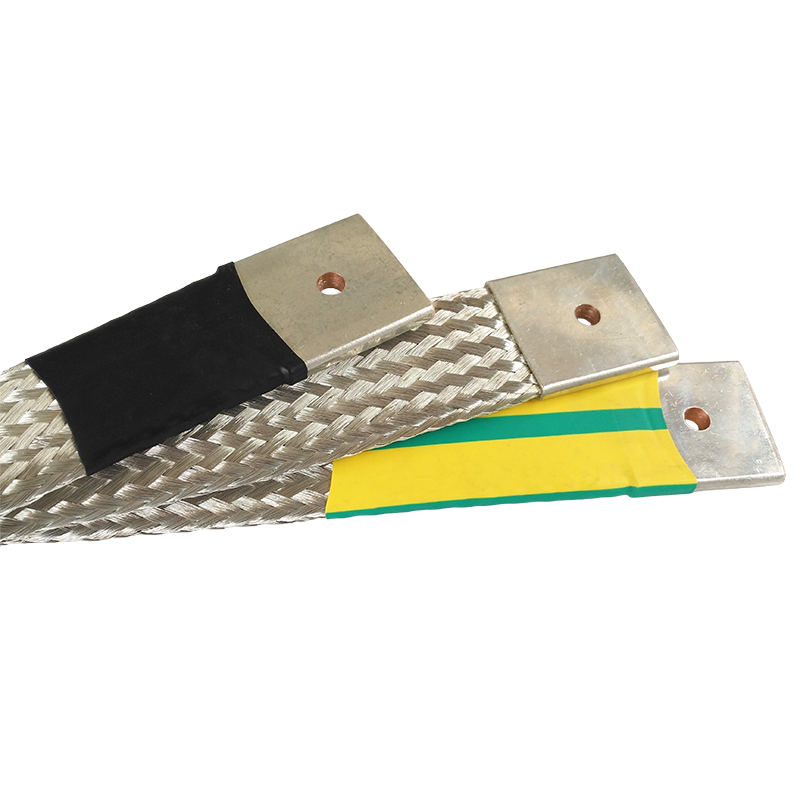
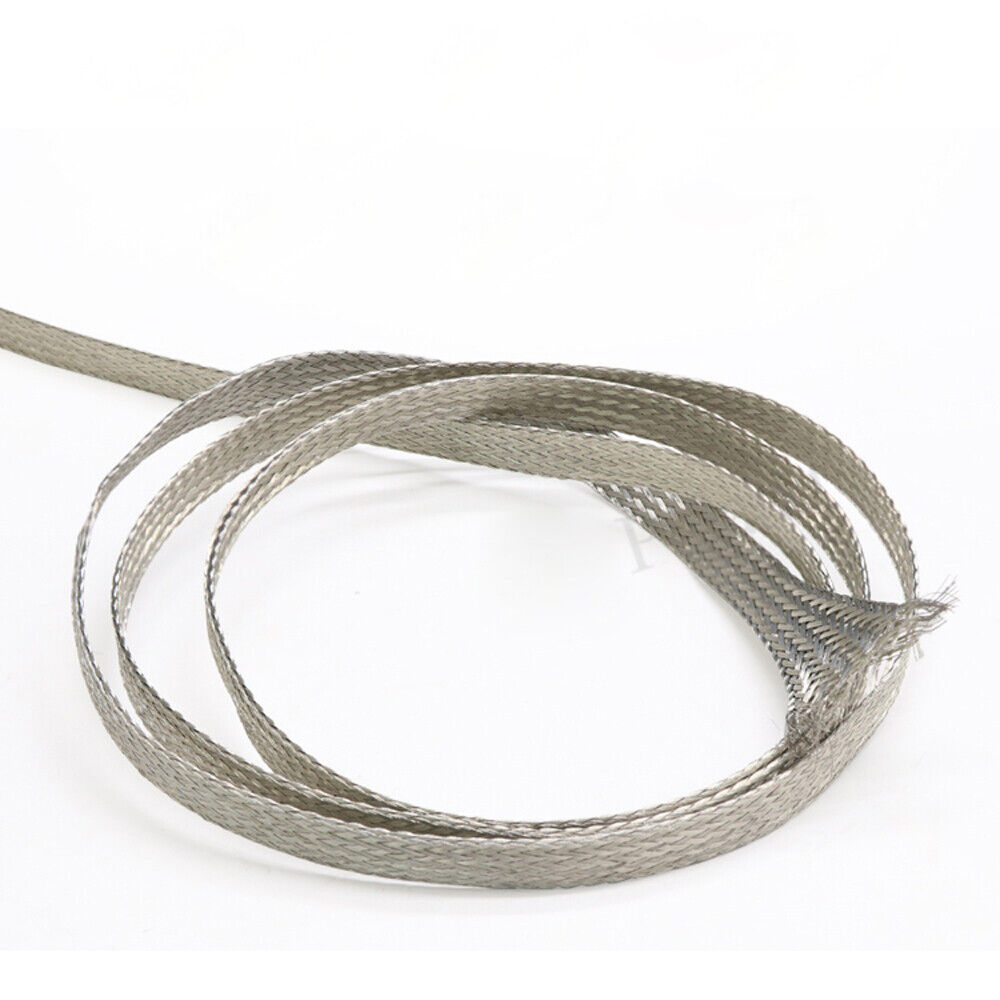
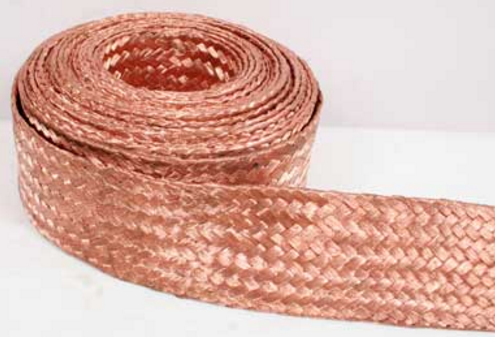
In power transmission and equipment connections, copper braided wires are widely used in industrial equipment and new energy products due to their excellent flexibility, bendability and electrical conductivity. Many people: since copper braided wires can conduct electricity on their own, why are their two ends crimped with copper tubes? This is not redundant, but a scientific choice that balances safety, efficiency and durability. It addresses the inherent drawbacks of copper braided wires and ensures more stable power connections.
Making copper braids more corrosion-resistant and extending their service life is a systematic issue involving materials, environment, and process. The key lies in isolating the copper from corrosive media and controlling electrochemical corrosion.
Under the same cross-sectional area, high-quality copper braided wire offers conductivity comparable to solid copper busbars. The key determinant of conductivity lies in the purity of the copper material, not its external form. When the copper content reaches 99.95% or higher, the multi-strand fine wire braided structure not only does not reduce conductivity efficiency but, due to its larger surface area, better addresses the skin effect in high-frequency applications.
Environmental adaptation is not simply about choosing the type of coating, but requires a systematic analysis of multidimensional factors such as temperature, humidity, chemical media, and mechanical stress. Suggest establishing an environmental parameter list and working with technical personnel to develop a selection matrix. If necessary, accelerated testing can be conducted in a simulated environment to detect potential risks in advance.
The key to choosing copper braided wire or copper stranded wire is to understand the specific requirements of the project. Long distance transmission and regular installation can choose copper stranded wire; Copper braided wire is suitable for complex spaces and vibration environments. Suggest making the most suitable technical selection based on factors such as current load, mechanical stress, space constraints, and environmental conditions.
copper braided wire flexible links, as the "flexible bridge" of power connections, play a key role in improving system reliability and adapting to complex working conditions. With the continuous advancement of industrial technology, its high performance and customized requirements will further promote technological innovation and development in this field.
We use cookies to offer you a better browsing experience, analyze site traffic and personalize content. By using this site, you agree to our use of cookies.
Privacy Policy