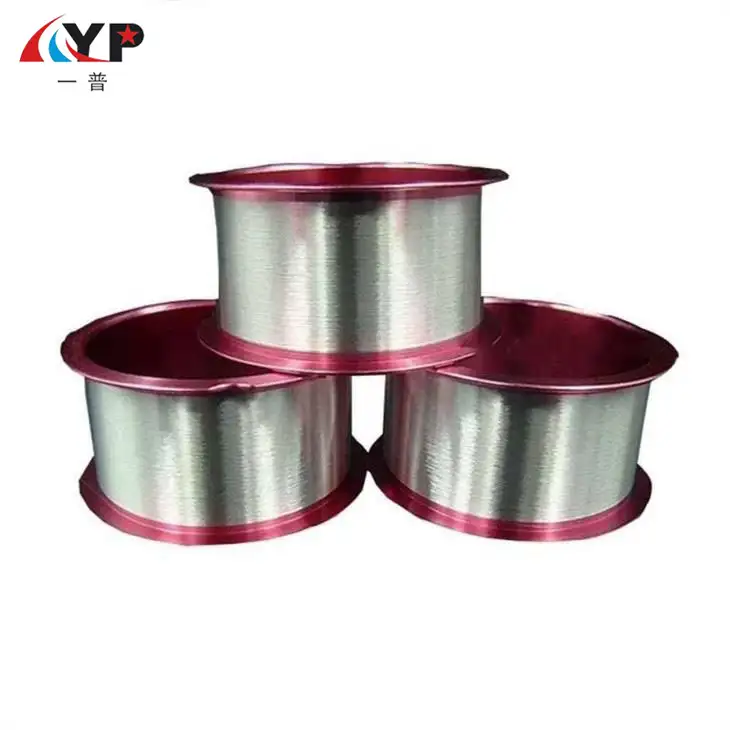
In the evolving landscape of electrical engineering and power transmission, the role of bare copper wire remains irreplaceable. This conductor forms the backbone of grounding systems, overhead transmission lines, and industrial machinery interconnections. Its inherent conductivity, corrosion resistance, and mechanical durability set benchmarks that alloy-based alternatives struggle to meet.
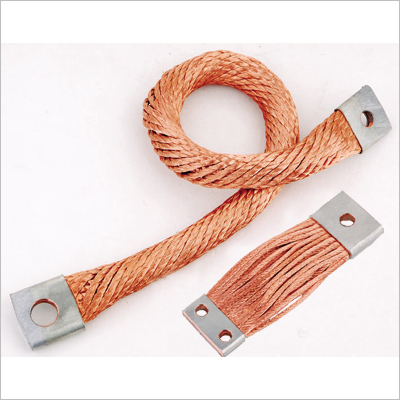
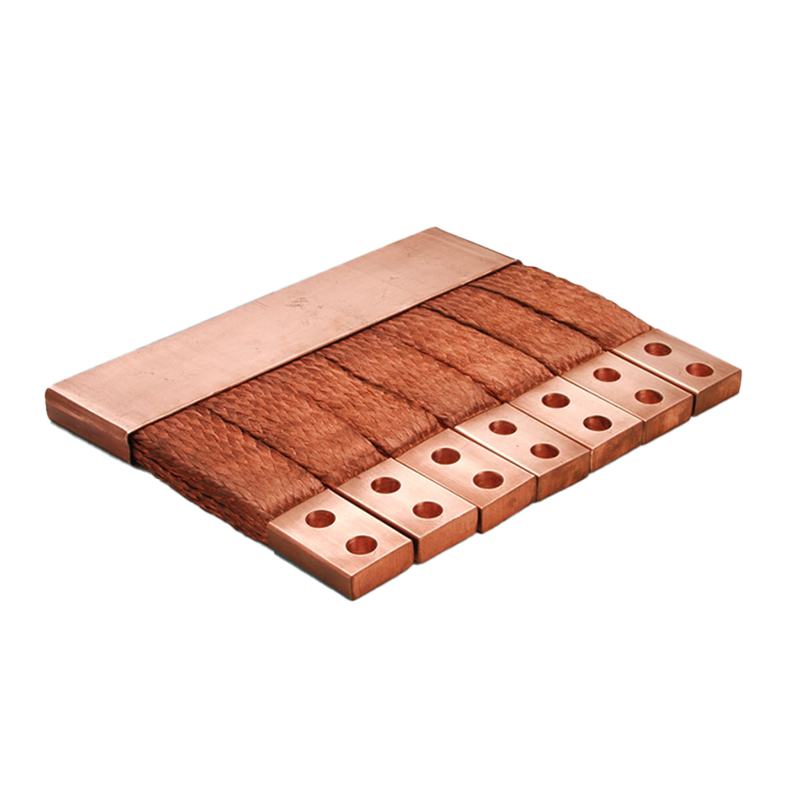
In most people's minds, copper flexible connectors are just conductive accessories inside power cabinets. But with the advancement of materials science and engineering technology, this flexible conductor is rejuvenating in many unexpected fields. Today, YIPU Metal will explore the application methods of copper soft connections that break through traditional methods.
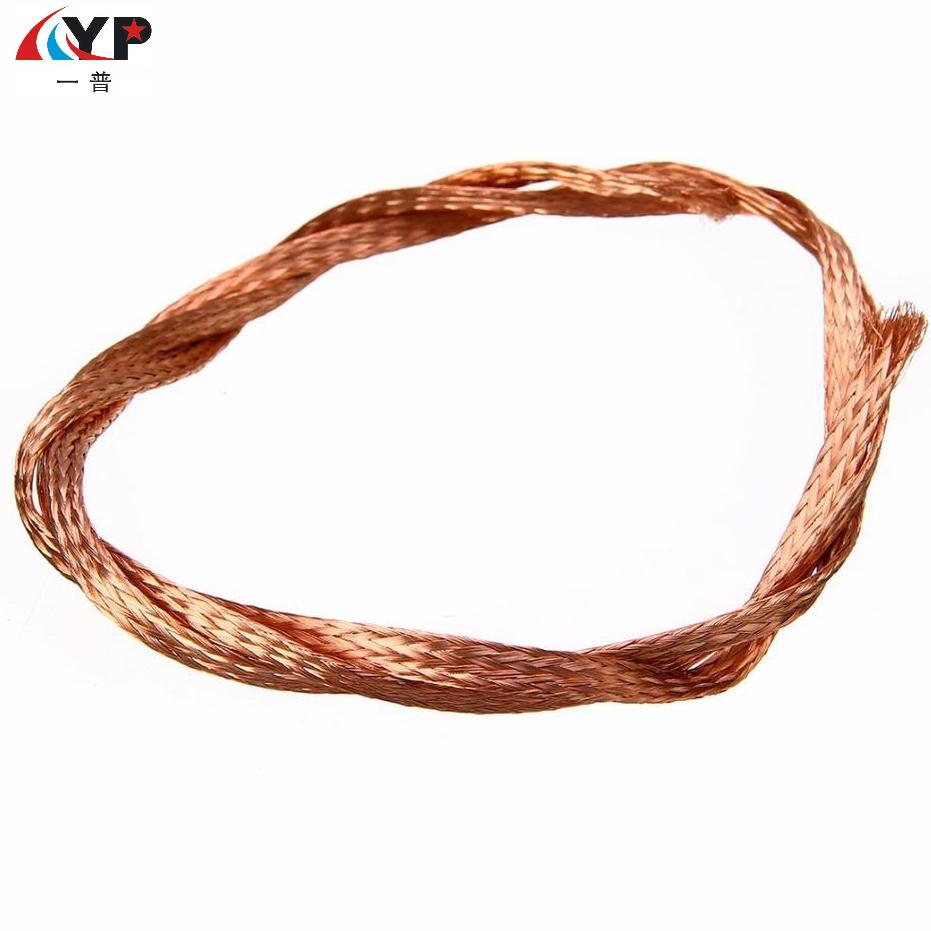
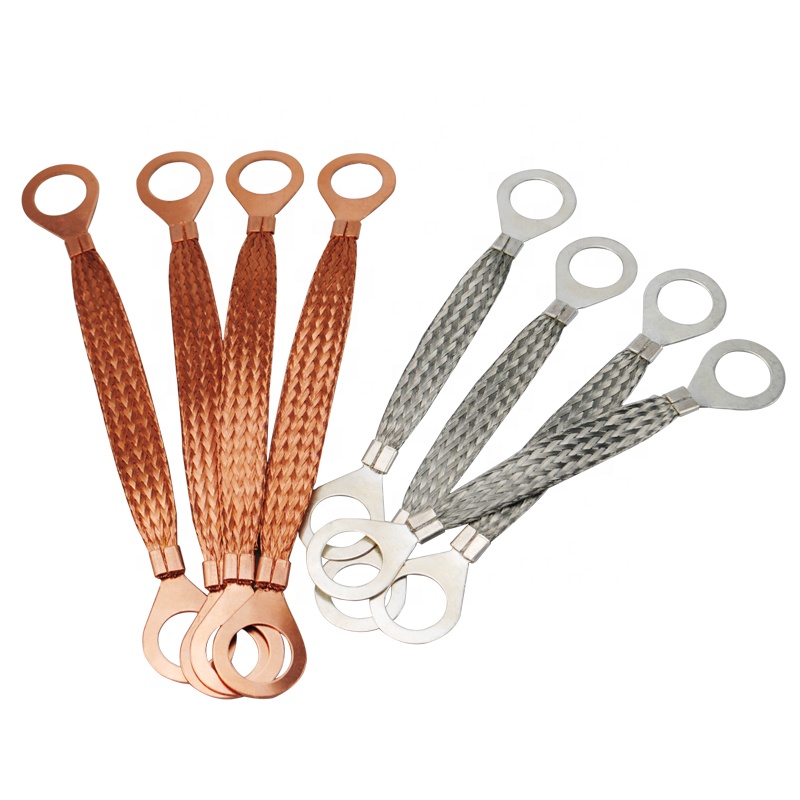
The key to choosing flat copper braided wire or round copper braided wire is to determine whether your application scenario values contact area and structural stability more, or whether it values bending flexibility and wiring convenience more.
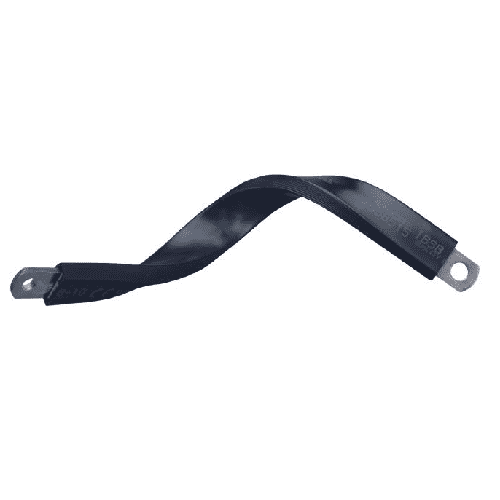
Copper braided wire with heat shrink tubing - combines the flexibility advantage of copper braided wire with the protective performance of heat shrink tubing, suitable for various complex electrical conditions.
When electrical connections need to accommodate vibration, displacement, or bending, copper braided wire is often regarded as the preferred solution. How is its "flexible conductivity" actually achieved, and what invisible boundaries exist? Understanding the underlying physical properties can help us apply this unique conductor more scientifically.
In the powerful power output system of generators, copper braided wire flexible connections play a crucial role as "flexible joints". It is mainly used for electrical connections between generator output terminals and external busbars, circuit breakers, current transformers, and isolating switches.
We use cookies to offer you a better browsing experience, analyze site traffic and personalize content. By using this site, you agree to our use of cookies.Privacy Policy