Zhejiang Yipu Metal Manufacturing Co., Ltd.
News

Copper Braid: Balancing Flexibility and Conductivity

2025-12-27 0 Leave me a message

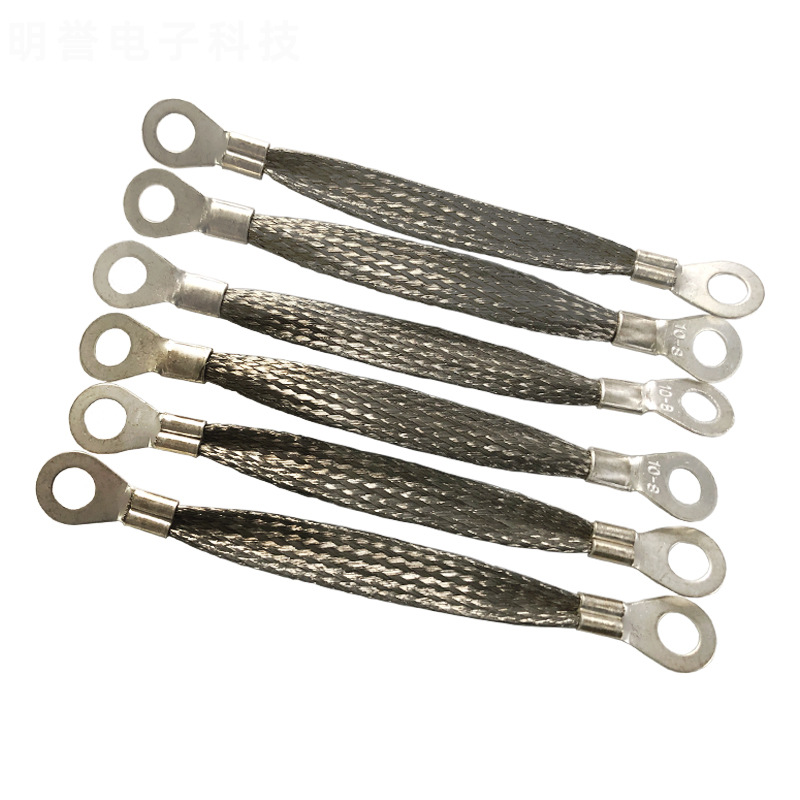
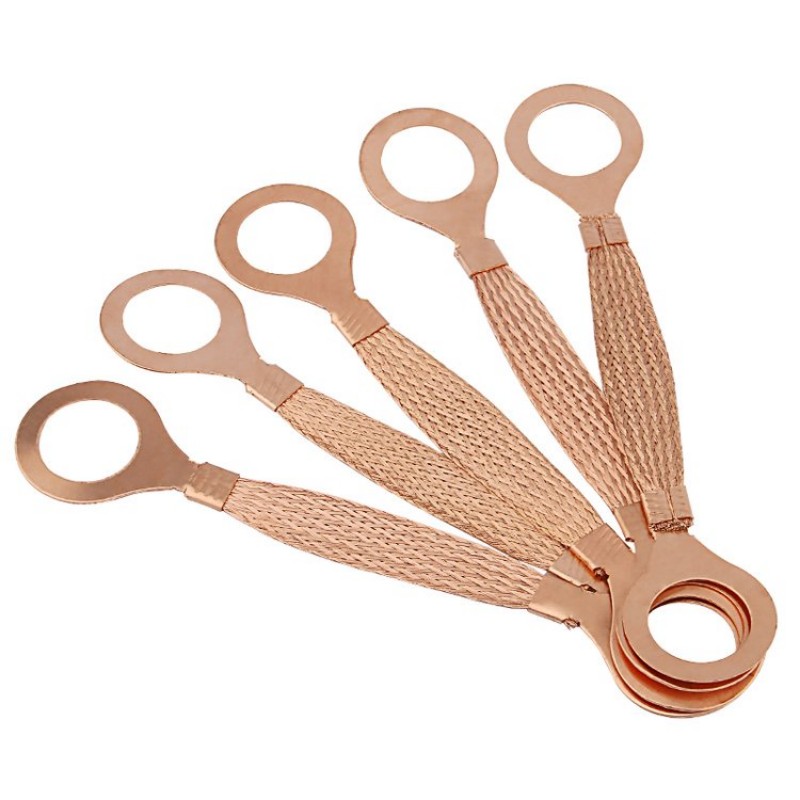
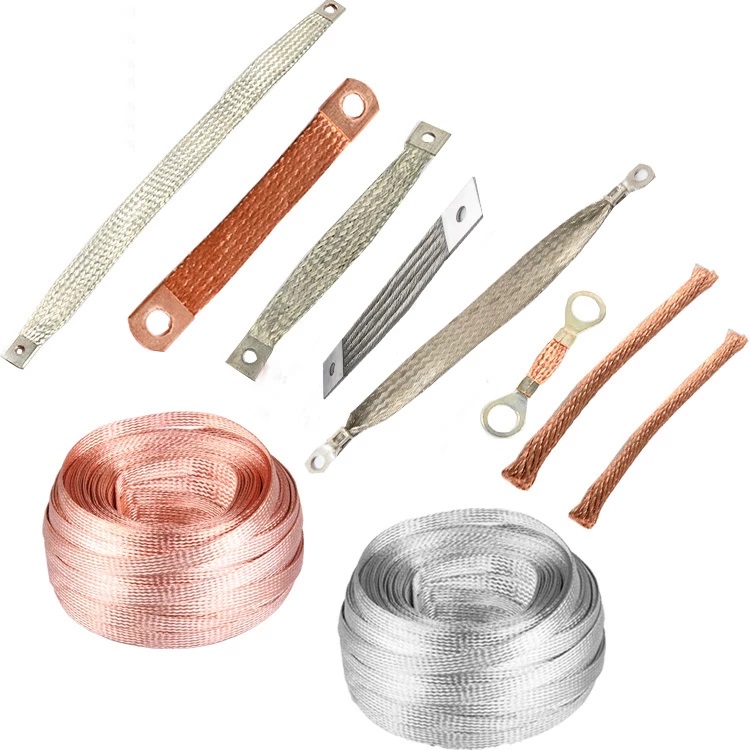
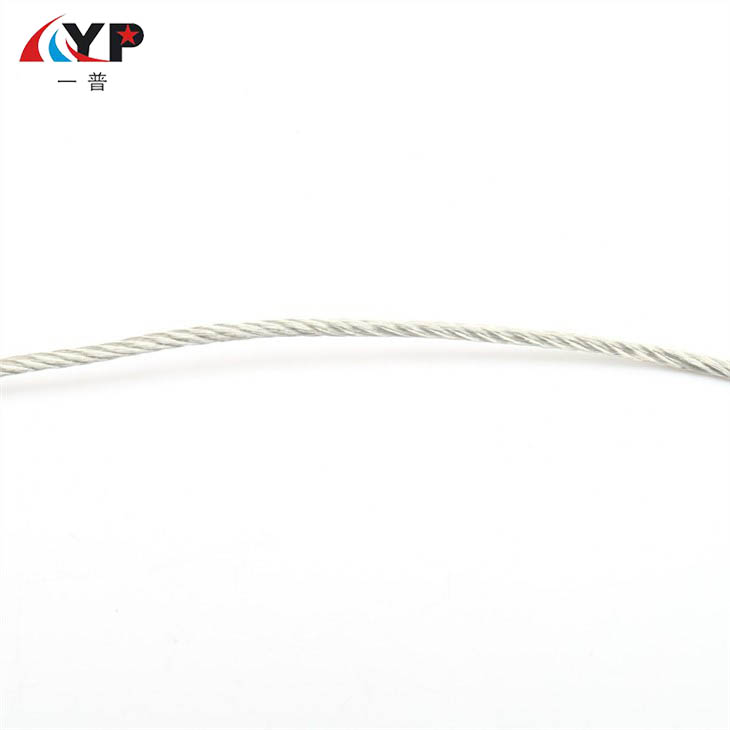
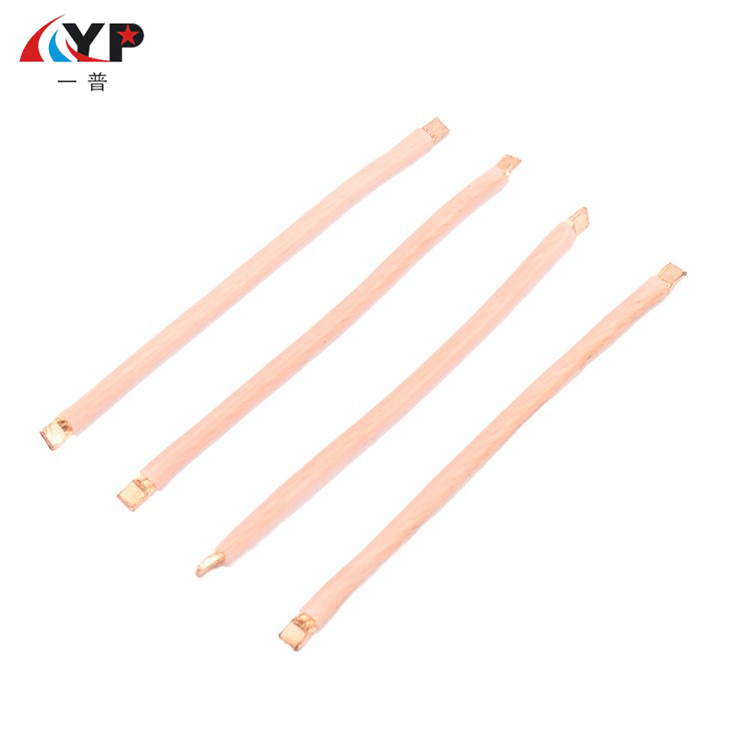
The core of flexible conductivity lies in structural design. Copper braided wire is woven from hundreds or even thousands of extremely fine strands of soft, oxygen-free copper wire. This structure functions like countless tiny springs working in unison. When subjected to external bending or stretching forces, the stress is distributed across a large number of copper strands, each experiencing only minimal deformation, thereby avoiding permanent damage to the overall structure. Its bending radius can be much smaller than that of a solid conductor with the same cross-sectional area, which is precisely why it is widely used in applications such as distribution cabinets, transformer connections, and power cords for mobile devices.

However, flexibility comes at a cost. The multi-strand braided structure means there are numerous microscopic gaps within the conductor, which to some extent affects heat dissipation efficiency. In high-frequency alternating current applications, the skin effect causes the current to concentrate more on the surface of each copper strand, leading to potential discrepancies between the actual current-carrying capacity and theoretical values. Therefore, while emphasizing flexibility, accurate derating calculations for current-carrying capacity must be performed based on current type, frequency, and ambient temperature. Ignoring this may mean sacrificing long-term operational stability for the sake of flexibility.


True reliability is reflected in the transition between dynamic and static states. High-quality copper braided wire should maintain low and stable contact resistance even after repeated movement. This requires the copper strands not only to be soft but also to possess high fatigue strength, and the surface coating (such as tin plating) must combine good ductility with oxidation resistance. When used to absorb persistent vibrations generated during equipment operation, the fixation method at both ends is more critical than the wire itself—a rigid, high-quality crimp or weld forms the foundation for the flexible segment to function effectively.


Contrary to common misconceptions, excessively pursuing ultimate softness can sometimes be counterproductive. In bridge-type connections that need to withstand certain mechanical tension, models with appropriate braid density and tensile strength are more suitable. When selecting, it is essential to clarify whether the primary requirement is "frequent bending" or "compensation for displacement," as these two demands entail subtle yet important differences in product structural parameters.

Related News
Leave me a message
X
We use cookies to offer you a better browsing experience, analyze site traffic and personalize content. By using this site, you agree to our use of cookies. Privacy Policy
Reject Accept